MagBatt VI × ELLIPSE: Three days of exchange on the future of post-lithium batteries
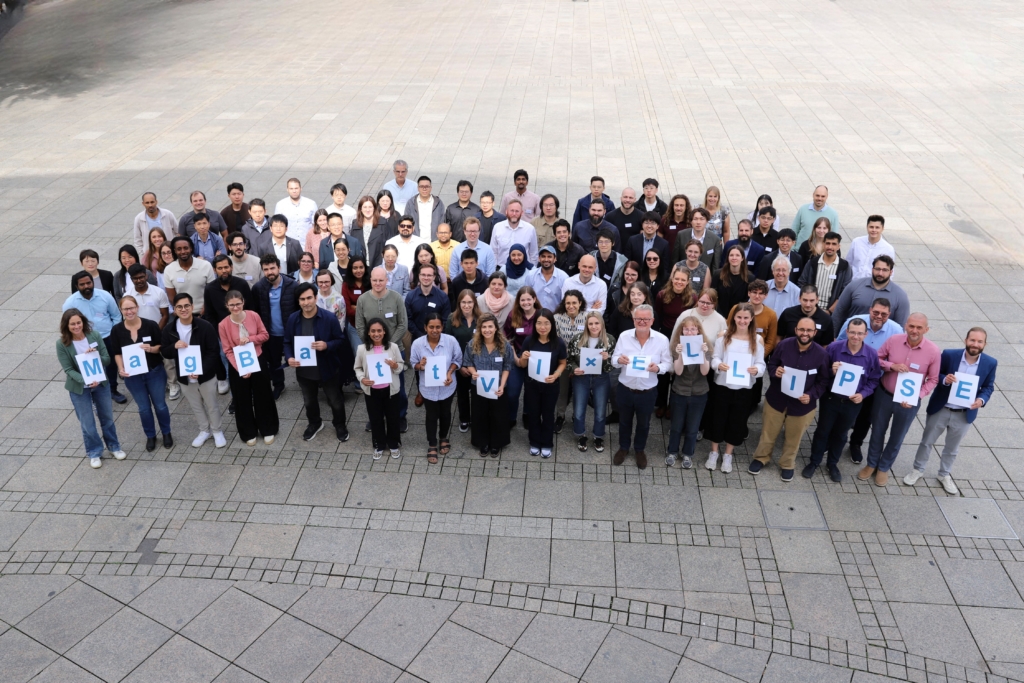
Around 120 researchers and industry representatives from across the world gathered in Ulm for three days of scientific exchange, discussion and networking at MagBatt VI × ELLIPSE. With almost 50 talks and more than 35 posters, the conference provided a broad overview of current research into the next generation of post-lithium energy-storage technologies.
For the first time, the International Symposium on Magnesium Batteries (MagBatt) and the ELLIPSE Conference on Electrolytes and Interfaces in Post-Lithium Batteries took place together under one roof. The joint event created a platform for researchers and industry experts from different communities to exchange perspectives across battery chemistries, materials and research approaches. The scientific programme covered a wide range of topics, including sodium, magnesium, potassium, calcium, zinc and aluminium batteries, as well as electrolytes, interfaces, advanced characterization, modelling and charge-transfer processes.
A particular focus was placed on the fundamental role of electrolytes and ion transport in the development of post-lithium batteries. Sessions addressed topics ranging from molecular interactions and long-range ion transport to electrolyte design, transference numbers, water-in-salt electrolytes, polymer electrolytes and multivalent solid-state ionics. These contributions highlighted the complex interplay between electrolyte chemistry, interfaces and battery performance.
Further sessions explored sulfur and conversion batteries as well as magnesium and calcium cathodes. Researchers presented approaches including electrolyte and cathode design, functional separators, single-atom catalysts and tandem catalysis, offering insights into the materials and processes being investigated for multivalent battery systems.
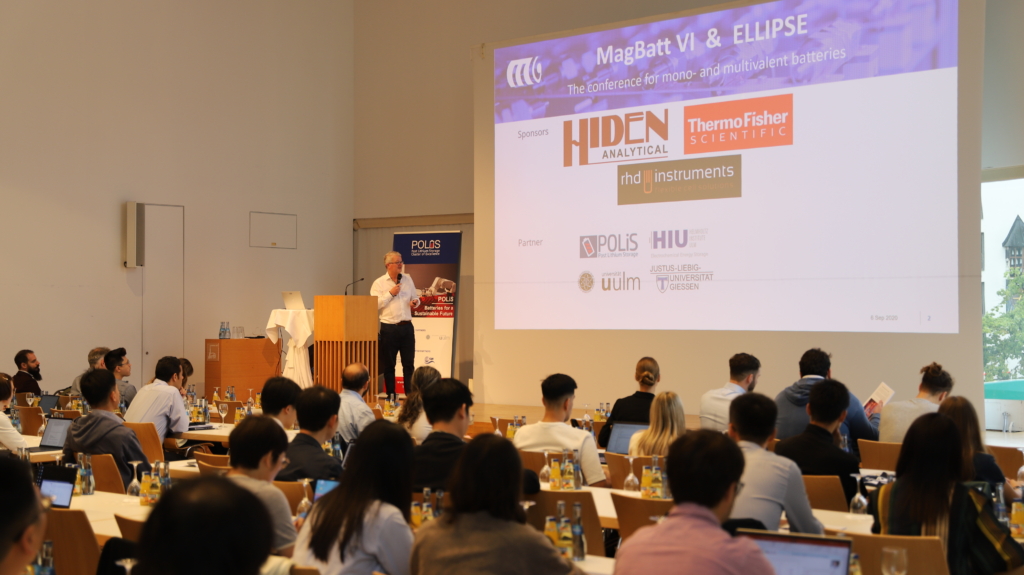
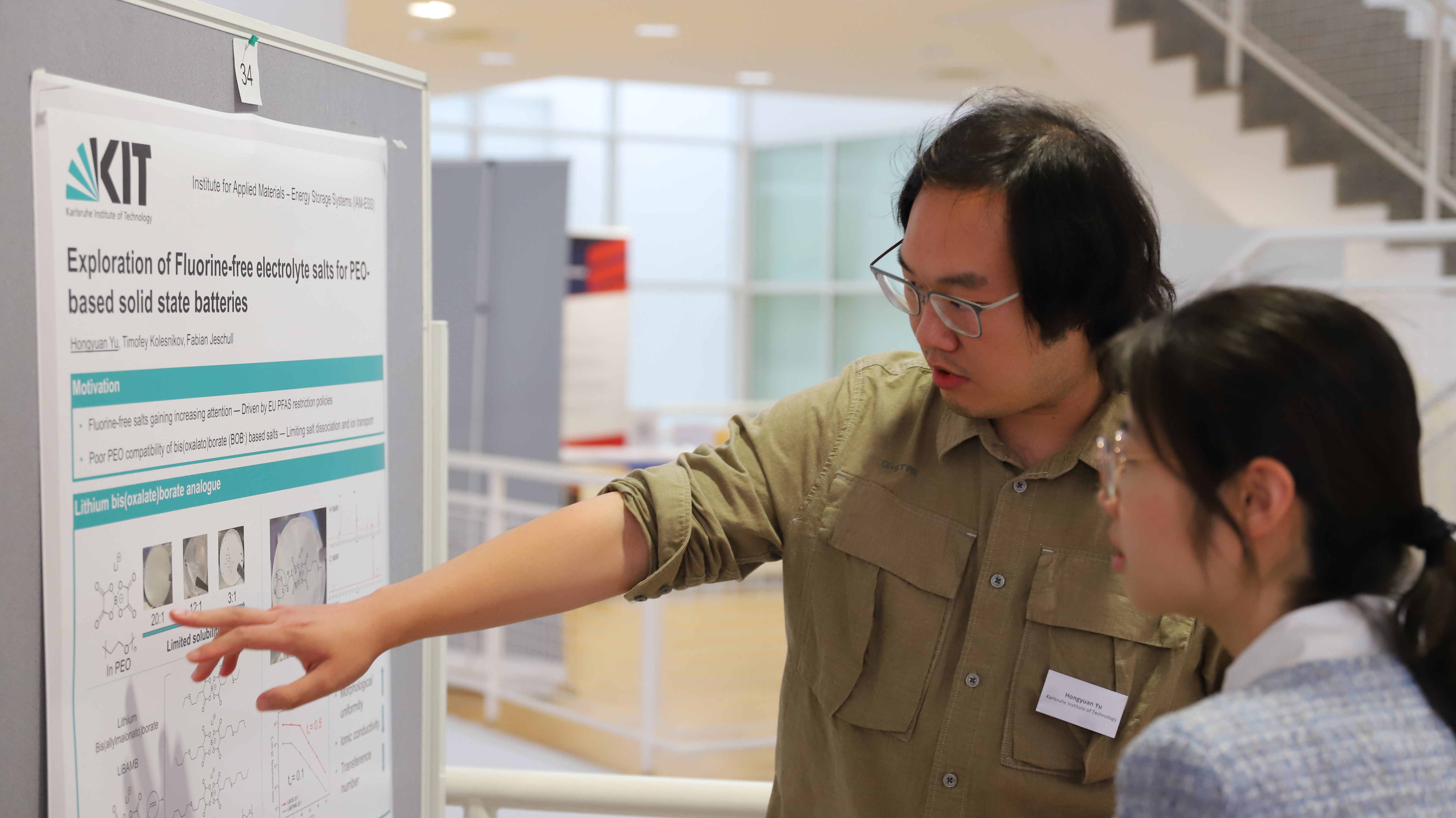
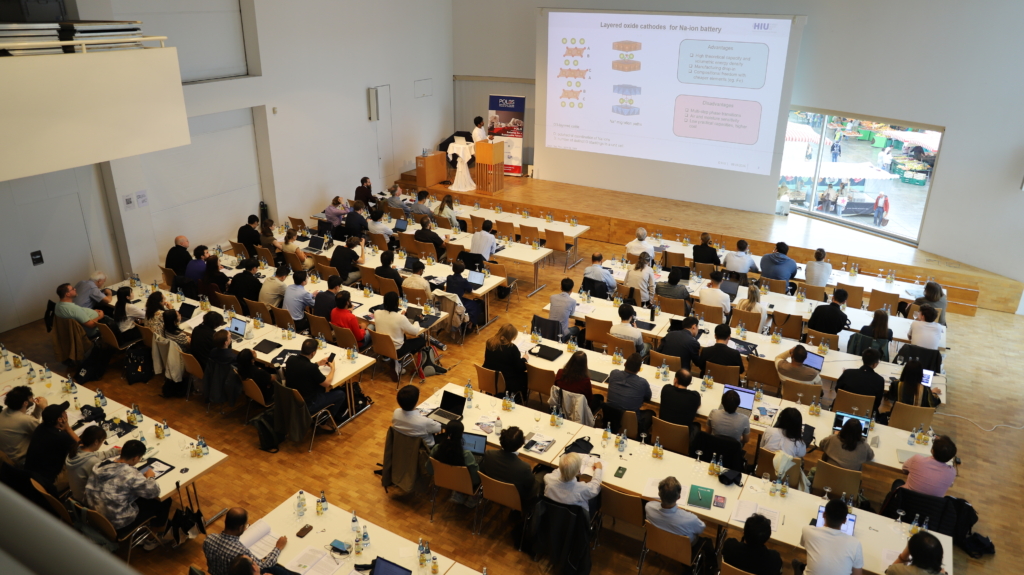
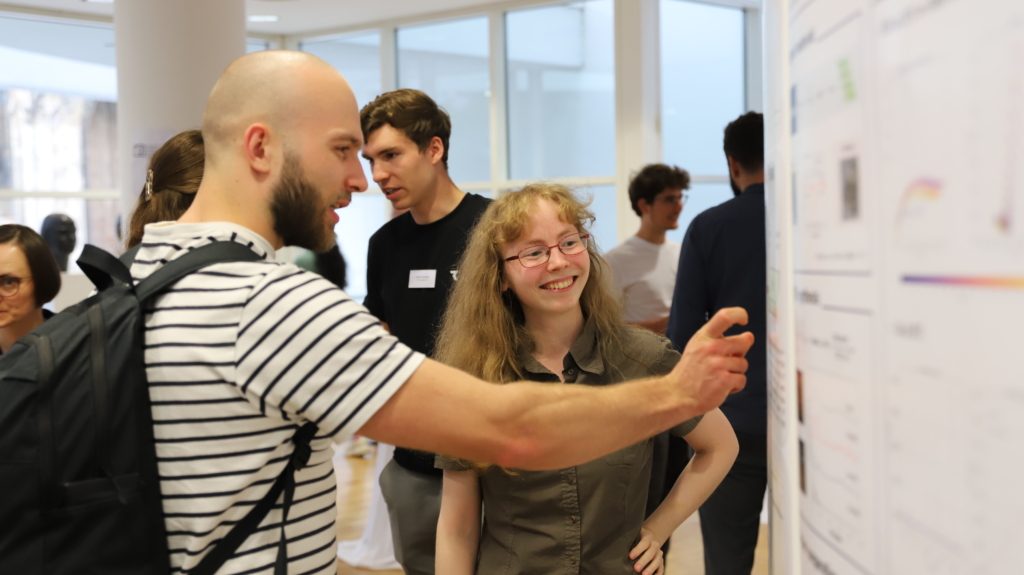
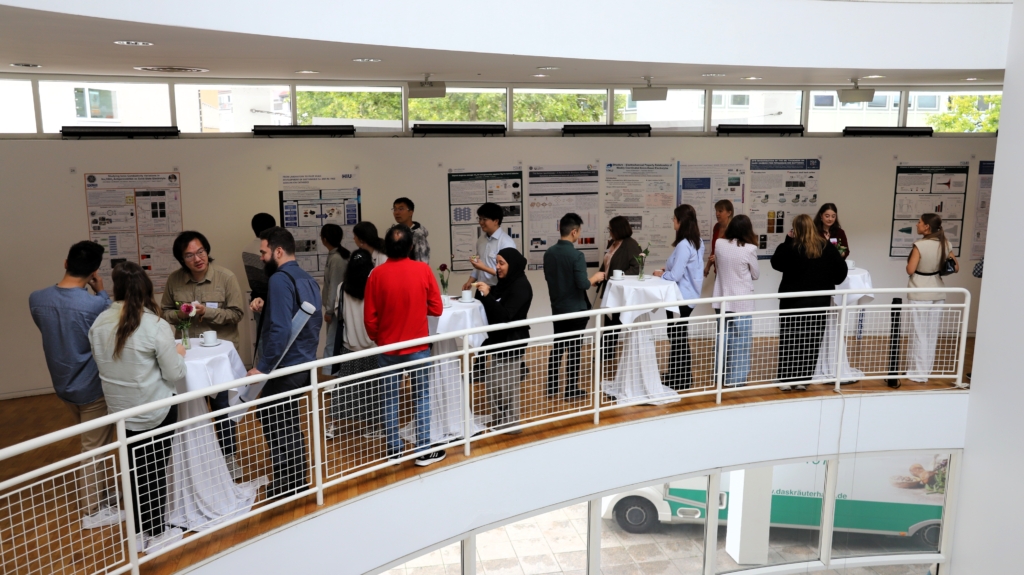
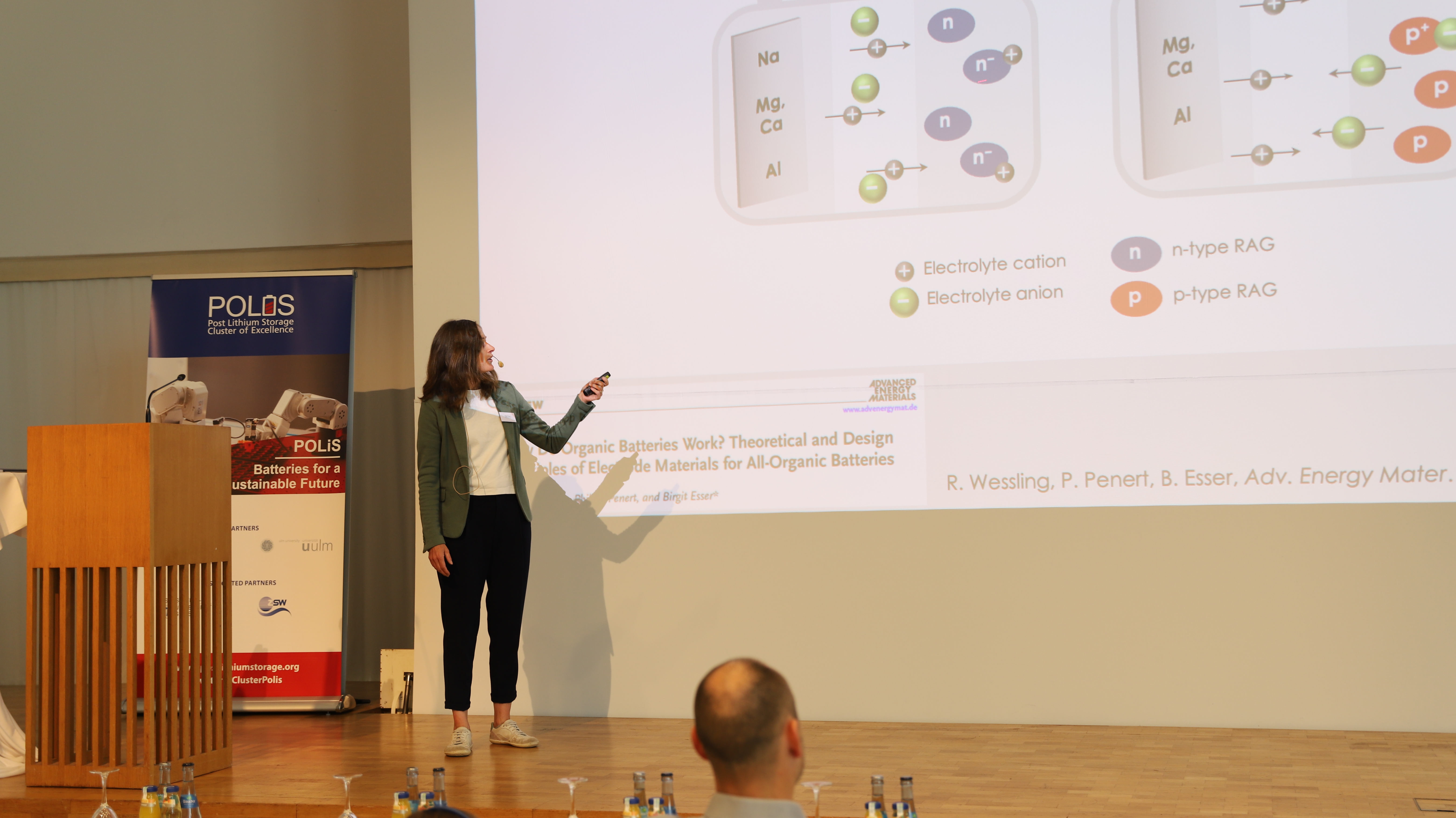
Beyond the scientific programme, the conference provided numerous opportunities for informal exchange and collaboration. Discussions continued during the poster sessions, over coffee and throughout the three-day event, bringing together researchers from different fields and encouraging connections between established and emerging research communities. The breadth of contributions demonstrated the diversity of approaches currently being explored to move beyond conventional lithium-based energy storage. From fundamental studies of ion transport and charge-transfer processes to new materials, interfaces and characterization techniques, MagBatt VI × ELLIPSE showcased the interdisciplinary nature of research into sustainable battery technologies.
A sincere thank you goes to all speakers, poster presenters and participants for their contributions, questions and enthusiasm. We also gratefully acknowledge the support of our sponsors Thermo Fisher Scientific, rhd instruments GmbH & Co. KG and Hiden Analytical, whose support contributed to the success of the conference.
MagBatt VI × ELLIPSE brought together different research communities around a shared scientific challenge: understanding and advancing the materials, interfaces and technologies that could shape the future of post-lithium energy storage.